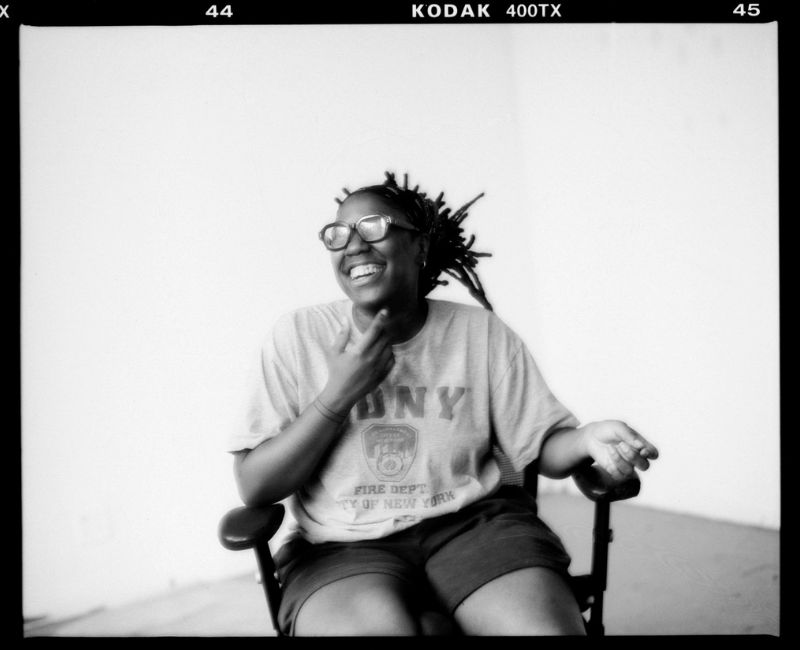
Krista Gay uses the (visual) language of archiving, from chaotic online recontextualization to the detached cruelty of scientific research, to investigate and reclaim depictions of Blackness and the Black female body. Her work moves back and forth through history, showing feelings and memories that are unfixed in time, morphing yet persisting as they are passed on through family, identity or experience.
At first, it feels like her art is almost daring you, challenging you to look at it; staring back at you intently and defiantly as it presents you with work that can seem harsh, ominous or disorienting. Gradually, however, you begin to discover an intimate and fragile openness, and a deeper, more complex dynamic reveals itself. The dare is also an invitation, the defiance also vulnerability. This vulnerability is striking, particularly in The Child of Venus, where Gay reshapes and dissects her own body to channel the experiences of enslaved women subjected to truly evil experimentation.
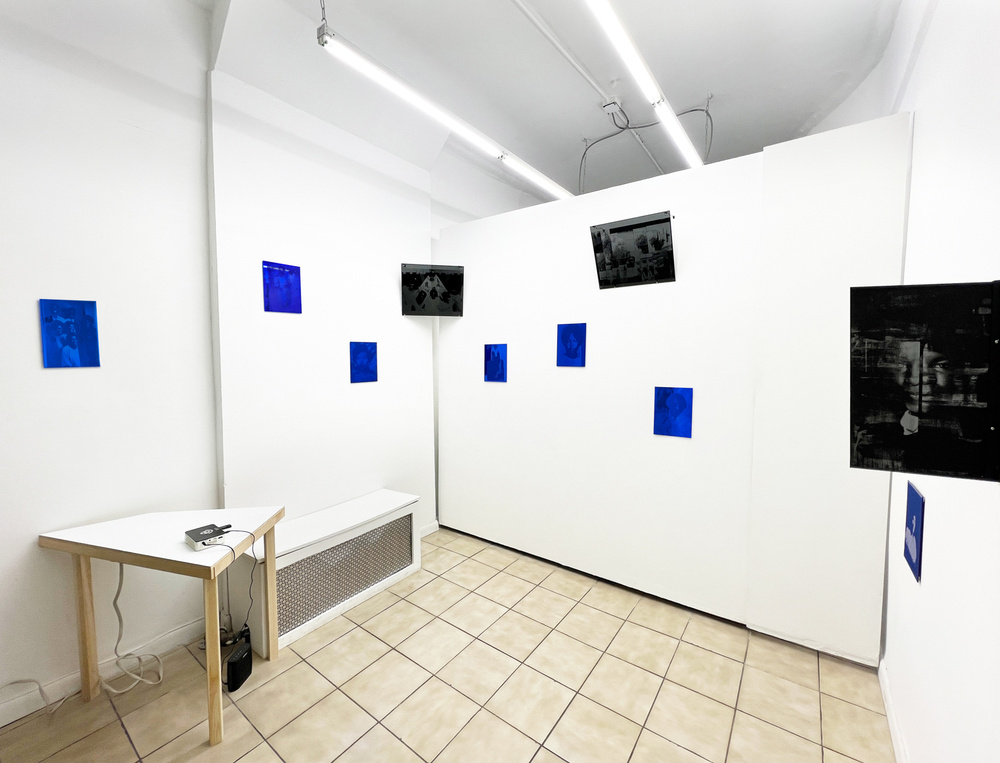
Your exhibition The Tips of My Grandmother’s Finger Itch When I Say Her Name was recently on show at Sinkhole. I love how the name combines language, physical sensation and family connectedness. What inspired this name?
Growing up, my grandmother had these sayings like, “Burn the hair after you comb it,” or “If your ear rings, someone’s gossiping about you,” and “An itching palm means cash is coming.” They’ve really stuck with me over time, and I still follow them, whether I completely believe them or not. When I was looking for a title, I wanted something that could capture that feeling; a phrase that felt like a real, tangible reminder, hinting at the spiritual without being too on-the-money. I was looking for a title that would sing to me like the words of my grandmother would.
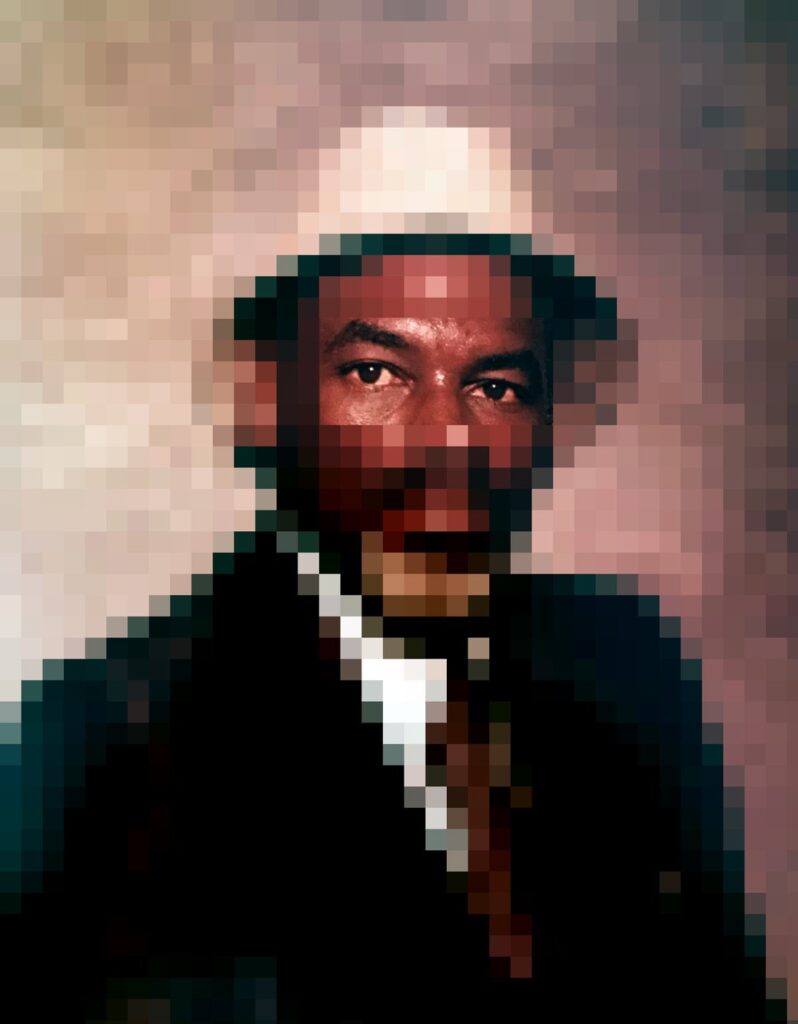
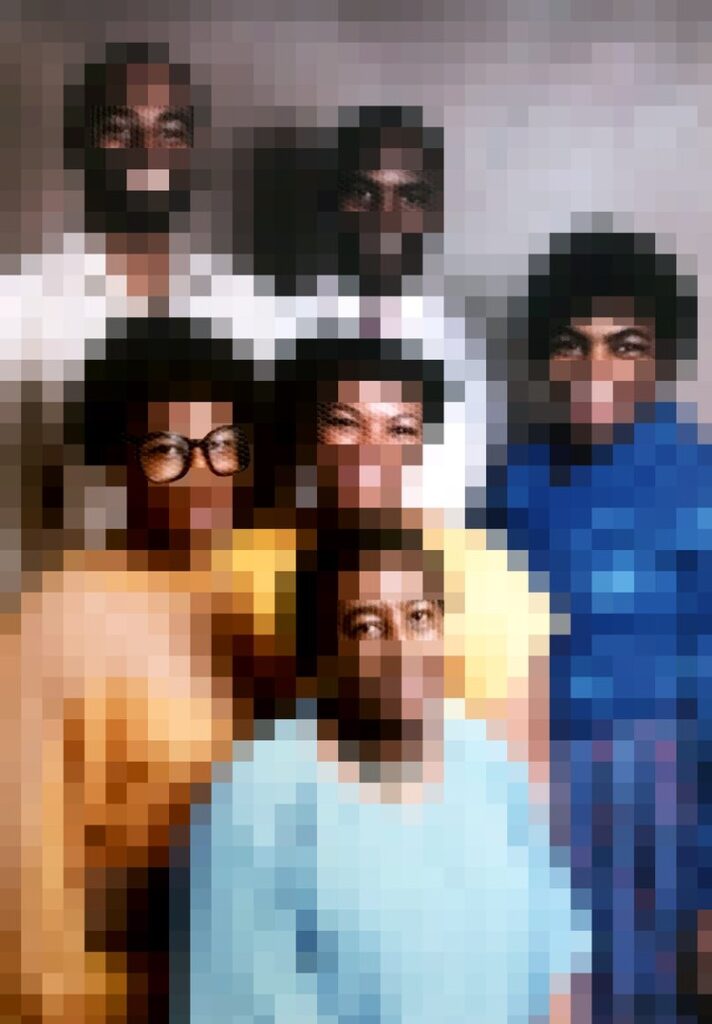
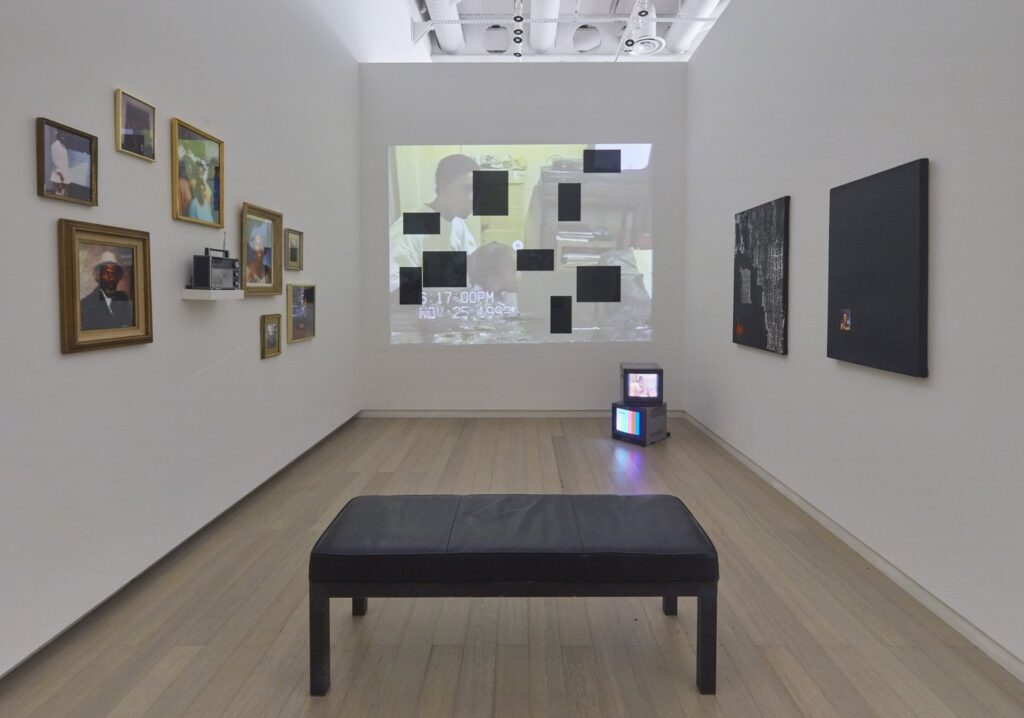
The dynamics and power of seeing and being seen, with regards to Black identity and the Black female body, are central in your work, and I also recognized this in Which Way is Home. This work includes a number of family photographs where everything is blurred except the eyes, which has this interesting effect of the subjects being made anonymous and hyper-present at the same time. How did it feel to edit and recontextualize family photographs in this way?
I was initially very hesitant to introduce my family as subjects in my work, but those pieces marked the first time I decided to give it a proper chance. I’m very aware of the risk of objectification that comes with photographing people in such a context; a risk of flattening the souls of people closest to me and turning them into pure subjects, thereby removing their personhood. In an attempt to allow the subjects some agency of their own, I obscured everything except their eyes, removing the viewer access to the environment, to the small personal details but allowing them access to something even more direct: the soul. This comes from the belief that the eyes are the “pathway to the soul”. It also spoke to the power of the gaze; the striking eyes piercing through the images, making direct contact with the viewer. I always felt that it was very powerful.
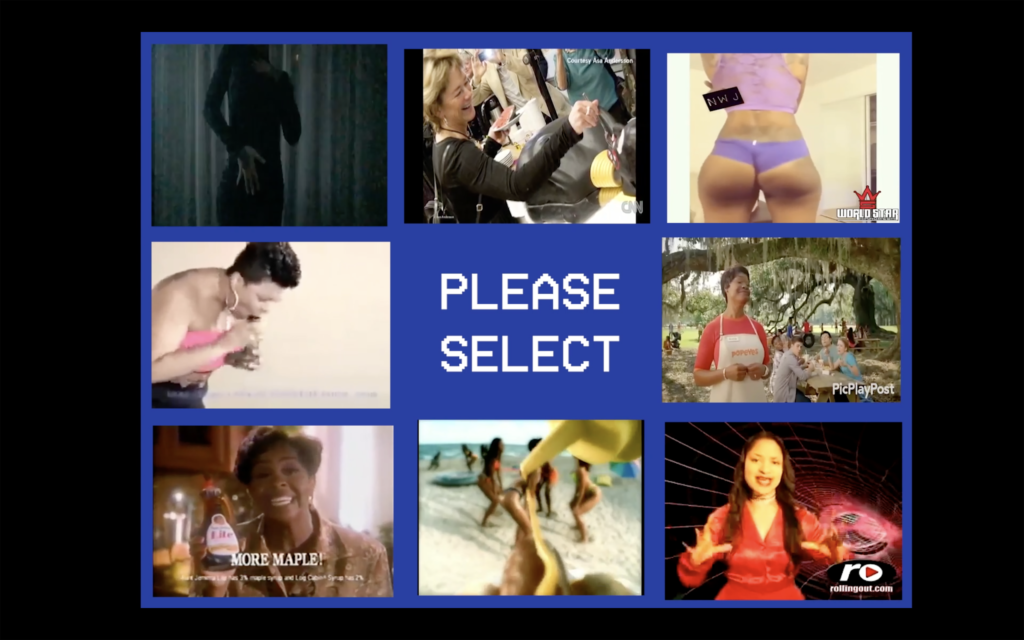
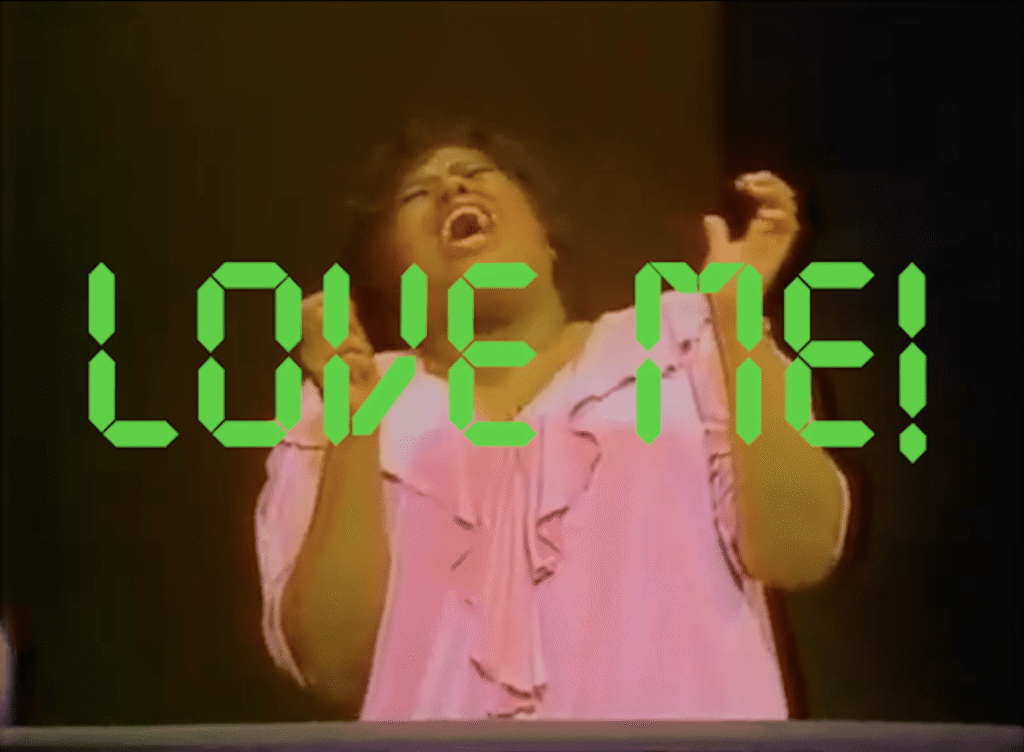
Your work WINNER WINNER presents a collage of Black women winning important entertainment awards, and highlights the tension between marginalization and recognition. I think the editing is beautiful: how the collage becomes this visual poem with the voice of Sheryl Lee Ralph piercing through, and how it feels celebratory at first, but also has such a strong undercurrent of absence. Could you tell me about the editing process and deciding which fragments you wanted to emphasize at which points?
When I edit, I always try to set up a clear contrast between what’s in the foreground and what’s in the background. This was super important for this piece, especially with the sound. The whole thing started after Sheryl Lee Ralph won, which immediately made me think of Halle Berry’s win, which I remember being huge news when I was a kid. My time in academia really made me think about what it means to be “The First Black Woman to [fill in the blank].” This project was an opportunity to dig into that specific moment: the foreground focuses on the success and sense of “freedom”, but the background simultaneously brings up a more complex truth about who gets to be seen and what gets to be heard. I crafted a sonic statement using the actual words from each acceptance speech, making intentional selections of what really strikes through the edit, what echoes, and what just fades into the background.
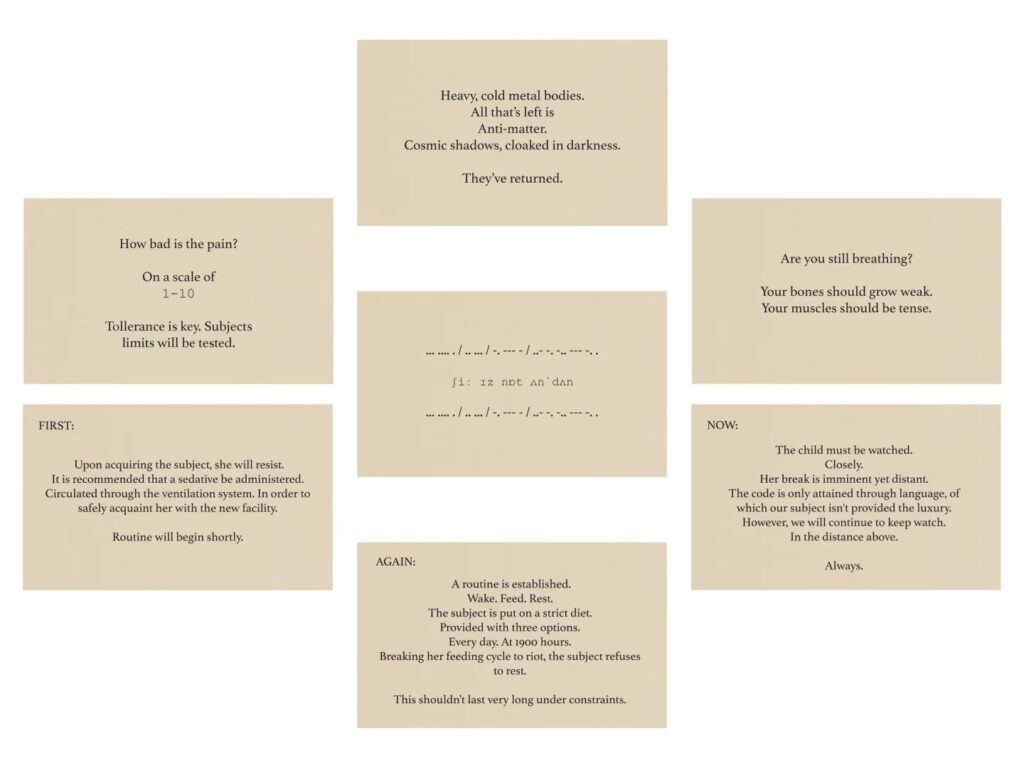
I read your conversation with Hunter Blu about language and found it really interesting. One quote that really stuck with me was: “People’s culture is robbed through language. Queer culture is robbed through language; black culture, robbed through language; underground nightlife culture, robbed through language.” Although I feel like I can implicitly grasp what this means, I was hoping you could expand a bit more. How does language rob? And what is stolen in this process?
I’m constantly disappointed in language and its ability to be used as the tool it was designated to be. The issue I have with language I think is based on performance. I think words have been over-intellectualised thereby rendering them meaningless.
We want to be understood as humans, and language is one of the tools we use to get that understanding, however I believe that same need for understanding has led us to oversharing and ultimately creating an environment where we have begun to police our collective and individual cultural identities. The same language that was created to give folks identity has become the language of the mass, and the language of the police.
Speaking of language: on your website’s ‘About’ page, it’s stated that your work is “welcoming the viewer into a space where voyeurism is acceptable and then sitting back and watching the watcher. Looking in from the other side in order to reclaim the gaze upon the Black female body.” I really love how many ideas are presented here, and I wanted to take a real deep dive into this text.
Sight is power.
Who gets to see who – the dominant.
Who is being watched – the submissive.
Sight/Seeing creates a deeply intimate relationship. Try and remember the last time you were caught looking at a stranger in public, the moment they catch you looking, what happens, do you avert your eyes, or do you commit your gaze upon the subject. The choice is your, but the choice puts you in a powerful position. I’ve put that same ideology into practice as a Black woman. The stakes shift due to the historical subjugation of the Black body and that’s where all the room for play begins.
I’m curious about the idea of voyeurism and the process of making it acceptable. What does voyeurism mean in regards to Black identity, and the Black female body in particular? How do you create a space where it becomes acceptable?
I’ve intentionally taken back the idea of voyeurism, especially when it comes to the Black femme body, and made it a source of my own power. This is still something I work through in my personal life, but my art is where I really dig into and play with how we look at each other, specifically: who’s watching whom. In my work, I’m the one who’s always watching, putting myself right at the top of that whole structural sight hierarchy. Anyone looking is being directed by me. By directing that eye through the use of image, editing, and installation, I gain my personal power.
This might be because of my cishet white maleness, but I can’t help but imagine the viewer (or voyeur) in this context as a white man. I was wondering if you had anyone in particular in mind. Who do you imagine as the viewer?
I try my best to be expansive in imagining who is looking in on the other side, never really assuming who my audience is. I’m always considering an audience and their relationship to the work but never allowing it to affect or shift the presentation of the work. I’ve found that most anyone can find an entry into the work; black, white, cis, het, queer, or otherwise. We have more in common than we think.
When “looking in from the other side” to watch the watcher, what do you see? What happens when people give in to voyeurism?
When you give into voyeurism, you give into being vulnerable, you give into being subjugated. It’s a scary place to be. But you gain serious insight, you get the opportunity to see where the holes are in people’s understanding of one another, you are granted a level of knowledge that is only afforded to those of us who live in the margin. You get to see what’s really real.
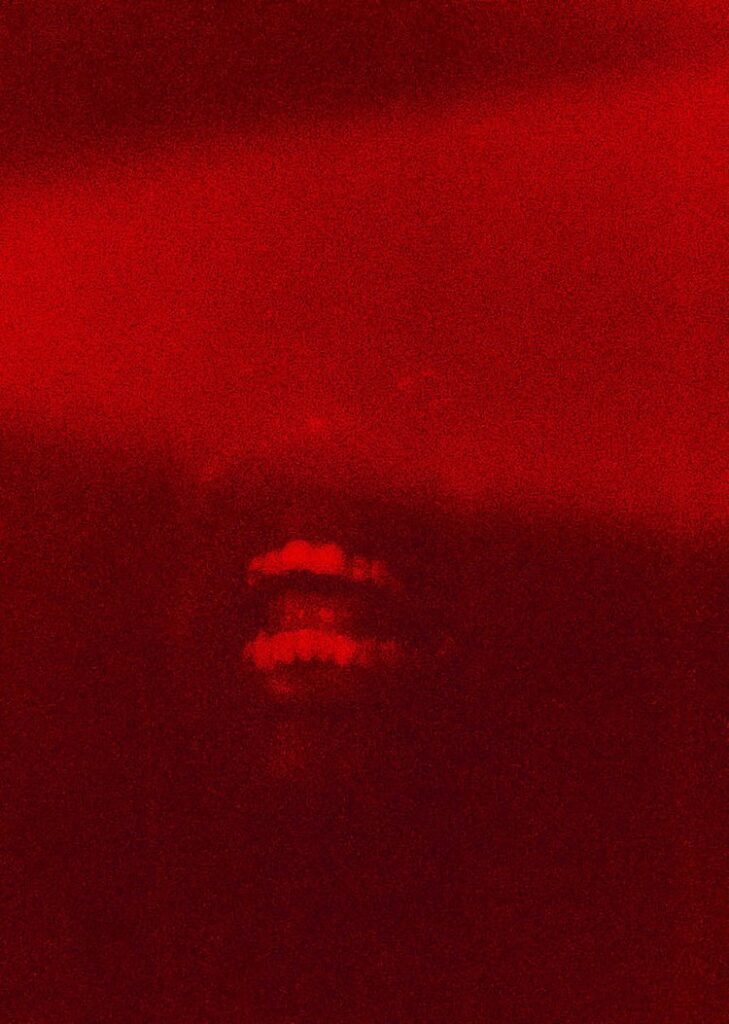

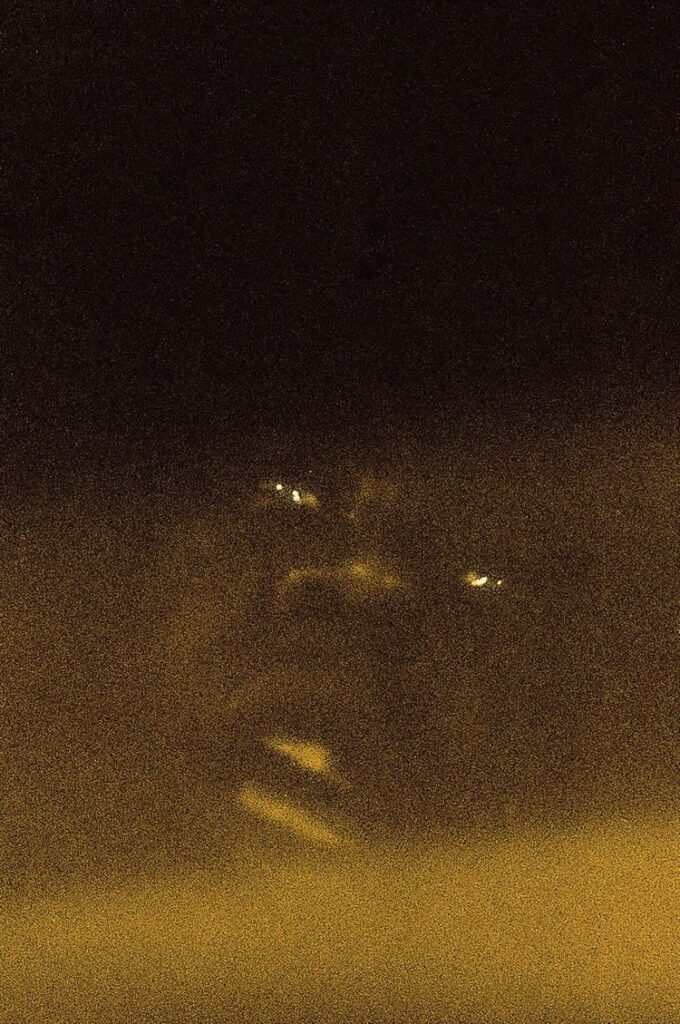
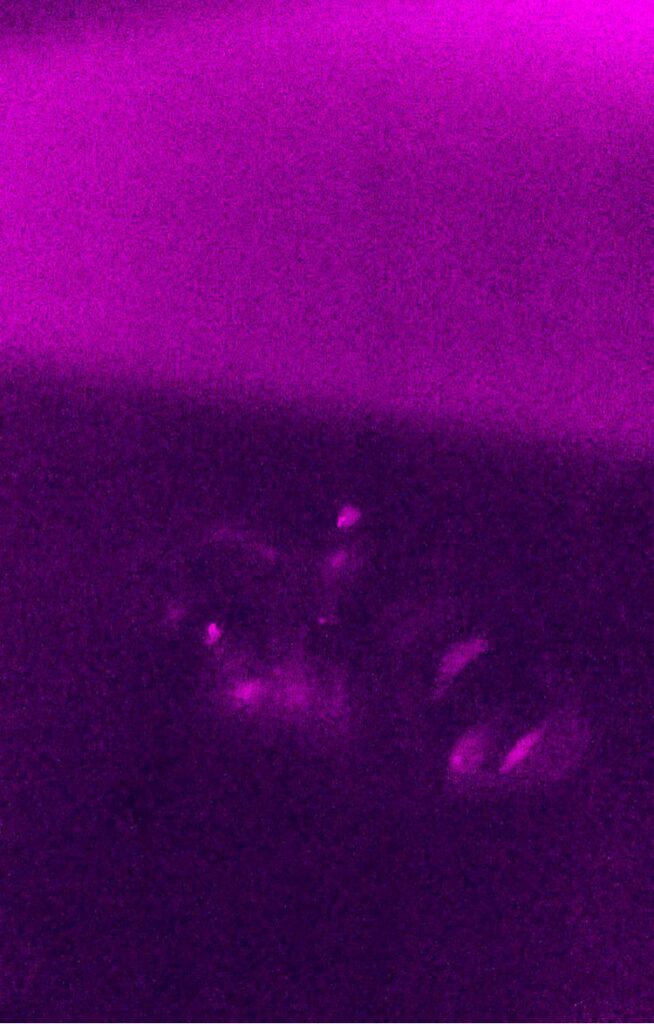
With The Child of Venus, you use your own body as the subject to explore your Black womanhood, the painful relationship between science and Black women, and the gaze upon the Black female body. In the work, you present your body naked and fragmented or dissected. It seems very fragile to me, presenting yourself this way, not just naked but also deconstructed. What was it like making this work and presenting yourself like that?
Honestly, this was one of the toughest projects I’ve ever worked on. It demanded that I give every bit of myself to it. I took a deep dive into the history of modern gynecology and the lives of three enslaved women: Betsy, Lucy, and Anarcha, who were the subjects of brutal experiments. I really tried to throw myself into this project to properly and respectfully convey the impact of what these women endured. It was an incredibly heavy project, especially because there’s so little personal detail about these women. We know their names and the pain they endured but that was it. I had to use a lot of myself to fill in the gaps, I had to relate their experience to my own in order to see things through their eyes and truly understand their ordeal.
You’ve said that this work is rooted in your love of science fiction. What do you love about the genre? And how did it inform The Child of Venus?
I’ve loved sci-fi my whole life, mostly thanks to my parents. They were both really into the classics: Star Trek, The Twilight Zone, Alien vs. Predator. I’ve always loved how the best of sci-fi takes note of history in order to envision a future. That’s good story telling, not just Science Fiction.
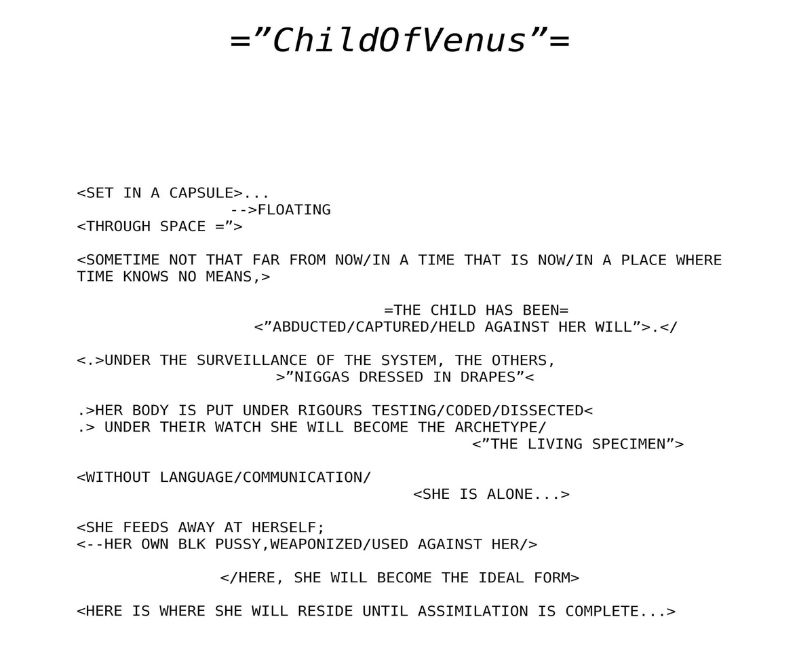
I kept that in mind when building the story for The Child of Venus. Using research to investigate the subjugation of women like Sarah Baartman and using it to think about the present moment. I chose the title ‘Child of Venus’ because, throughout the narrative of the work, I was basically playing the role of Hottentot Venus’s offspring, a genetic and generational extension of her. Still dealing with a reality that isn’t entirely different from hers, but in a totally different timeline.
Your Instagram handle is @digitalblackface.jpeg. Where does the name come from, and what is ‘digital’ blackface as opposed to ‘real life’ blackface?

The name is borrowed from a JPEGMAFIA song, ‘Digital Blackface‘, but it always felt correct. In simple terms, my physical presence, my flesh body, coincidentally is one that is accompanied by my “Blackface”. When I transition to my digital entity, my liquid body, my “Blackface” remains consistent. Digital Blackface. While I am aware of the academic usage of the term, which refers to the performance of Blackness online, I also appreciate it as a straightforward and simple linguist choice. To be simple and plain, I, Krista, exist online, and am just one of many Digital Blackfaces.
Thank you so much for discussing your work with me! I discovered your work through a recommendation by Abbey Gilbert (who in turn was recommended to me by Ash Oakley). To keep this going, is there an artist whose work you’d like to recommend?
I think you should connect with my good friend and frequent collaborator, Jesus Vasquez. Jesus is a New Yorker, born and raised, whose thinking about how the city lives is an intersection for both US and global politics. Currently, he’s investigating the city’s ephemera through a spoof construction site scenario. His research delves into the origins of these objects; their creators, their message to the community, and his own relationship to these objects as a lifelong resident. Ultimately, he’s really touching on the beauties and horrors of what it means to survive in big metropolitan cities, especially New York.
More Krista Gay: